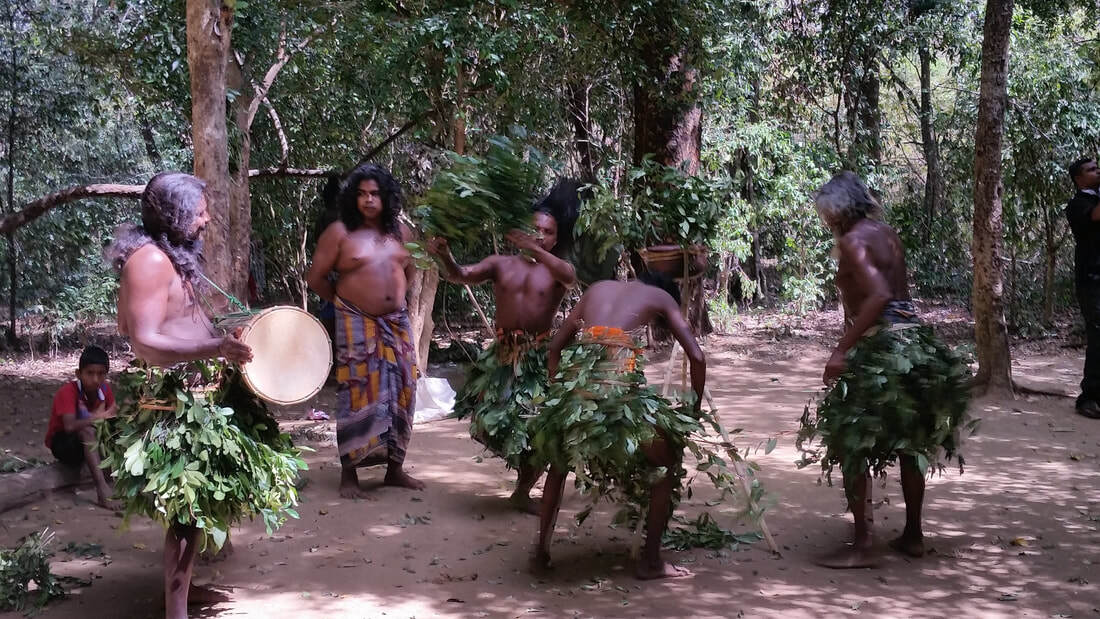
Known for its immaculate beaches, verdant rainforests and imposing temples, Sri Lanka is also home to thriving rural communities that provide a unique window into the island’s diverse cultural fabric. Among these Wadda which means village or community in Sinhala has a particular significance. A Wadda is more than just a physical place; it is a living breathing example of the tenacity, customs and friendliness of Ceylon’s rural core.
These communities uphold a way of life that has mainly not changed over the centuries and they are frequently found in picturesque settings encircled by dense jungles, rice paddies and coconut groves. You can feel the pulse of local life in Sri Lanka at the Wadda. Nature plays a major role in this community’s rhythm of life farming, fishing and handicrafts are all intricately interwoven with the social structure. The sense of community that permeates Wadda’s life is among its most exquisite features. People here live as extended families in addition to being neighbors. From helping a neighbor with their harvest to getting together for religious ceremonies this sense of community is evident in day-to-day interactions.
The customs that characterize a Ceylon Wadda are ingrained in the nation’s multifaceted culture. In Sri Lanka, Buddhism, Hinduism, and Islam shape social life through communal prayers, festivals, and temple visits. These celebrations are social events as well as religious ones bringing the entire village together to celebrate, eat and tell stories. Many of the customs that are unique to each Wadda have been passed down through the generations. A prosperous rice harvest for instance culminates in the harvest festival known as Pongal which is observed in some rural areas. Villagers assemble for feasts, music and traditional dances after giving thanks to the gods and the natural world.
In Sri Lanka, another important aspect of Wadda culture is artisanal crafts, showcasing traditional skills and heritage. Villagers frequently use methods that have been passed down through the generations to engage in traditional crafts like woodworking, weaving and pottery. The creation of useful objects with cultural significance is a common use for many of these crafts which are not only for sale. In these communities, handwoven fabrics and batik are particularly common examples of handmade textiles. The skill and perseverance needed to create these elaborate works of art frequently captivate visitors to these locations.
The essence of Sri Lanka lies in these villages where nature, culture and history come together to provide a genuine unadulterated glimpse of island life. The sense of community belonging and the unbreakable ties that bind people to the land are what make Ceylon’s Wadda so alluring in addition to its natural beauty and long-standing customs. Ceylon’s Wadda provides a window into a world where human connection is paramount and time seems to stand still for those who take the time to discover these undiscovered treasures