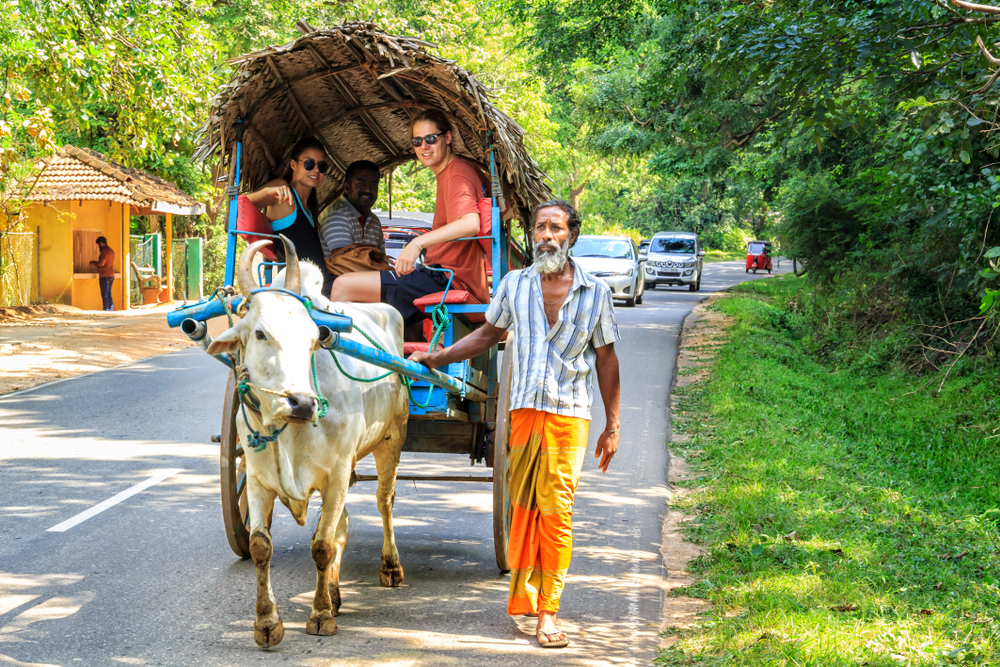
Numerous distinctive sports have come and gone in Ceylon, a country with a rich cultural legacy and lively customs. One of these bullock cart racing which was formerly a popular and exhilarating event has since become obscure. This thrilling sport was more than just a contest, it was a display of talent cooperation and cultural pride and it was intricately woven into the island’s rural way of life. Bullock cart racing is still a significant aspect of Sri Lankan athletic history despite being mostly forgotten today. Attempts to bring it back could spark interest in this ancient custom.
Since ancient times bullock carts have been the main form of transportation in Ceylon especially in rural areas where they were essential to trade and agriculture. To move goods and move between villages farmers used these robust carts pulled by powerful well-trained bulls. Because of their practicality bullock cart racing developed into a competitive sport over time with races taking place during special occasions village fairs and religious festivals. Bullock cart races in Sri Lankan villages are a celebration of agricultural life and offer more than just competition.
Bullock cart races which occasionally spanned several kilometers were usually conducted on village roads or dirt tracks. Lightweight but robust the carts were made to move as fast as possible without sacrificing stability. To ensure they had the stamina and agility required to compete the bulls used for racing were carefully bred and trained.
Even though it used to be very popular, bullock cart racing has virtually vanished from Sri Lankan sports culture. Modernization, modifications to modes of transportation and worries about animal welfare are some of the causes of the decline. The introduction of motor vehicles diminished the utility of bullock carts as a means of transportation and fewer individuals retained the abilities needed for cart racing.
Despite being mostly forgotten bullock cart racing may be revived in a way that honors customs while also taking contemporary ethics into account. Bullock cart racing could be incorporated into cultural festivals, tourism events and heritage exhibitions as a regulated and symbolic sport protecting the animal’s welfare and maintaining this distinctive part of Sri Lankan history. Inspired by similar events in South Asian nations like India some communities have tried to incorporate races into their local celebrations. A contemporary form of bullock cart racing could be revived as a cultural attraction rather than a high-stakes competition with the right regulations and moral training practices.
Once a popular rural sport bullock cart racing in Ceylon is now a thing of the past. Its importance as a historical and cultural treasure however cannot be denied. Ceylon can embrace progress and celebrate its history by resurrecting and modifying this sport to reflect contemporary ideals. Sri Lankan bullock cart racing is a thriving custom that celebrates the nation’s rich history by highlighting rural craftsmanship culture and camaraderie. With races frequently held during festivals and other cultural events it emphasizes the relationship between humans and animals and reflects a strong ties to Sri Lanka’s agricultural past.